
Knowing how much water a cat should drink daily is essential for keeping our cats healthy and happy. But factors such as diet, age, and activity level can all influence a cat’s water intake.

So we spent the whole day going through the research to ensure you know the factors, can recognise the signs of dehydration, and have methods to encourage water intake, if necessary.
Keep reading if you want to learn about:
Understanding Cat Hydration
As cat owners, we all want to ensure that our feline friends are healthy and happy. One of the most important aspects of cat health is proper hydration. But how much water should a cat drink daily? And what are the signs of dehydration in cats?
Firstly, it’s important to understand that cats are obligate carnivores, which means they have a low thirst drive and get most of their water from their food. This is why it’s essential to feed your cat a high-quality diet that contains plenty of moisture. Wet food is an excellent option, as it contains up to 80% water.
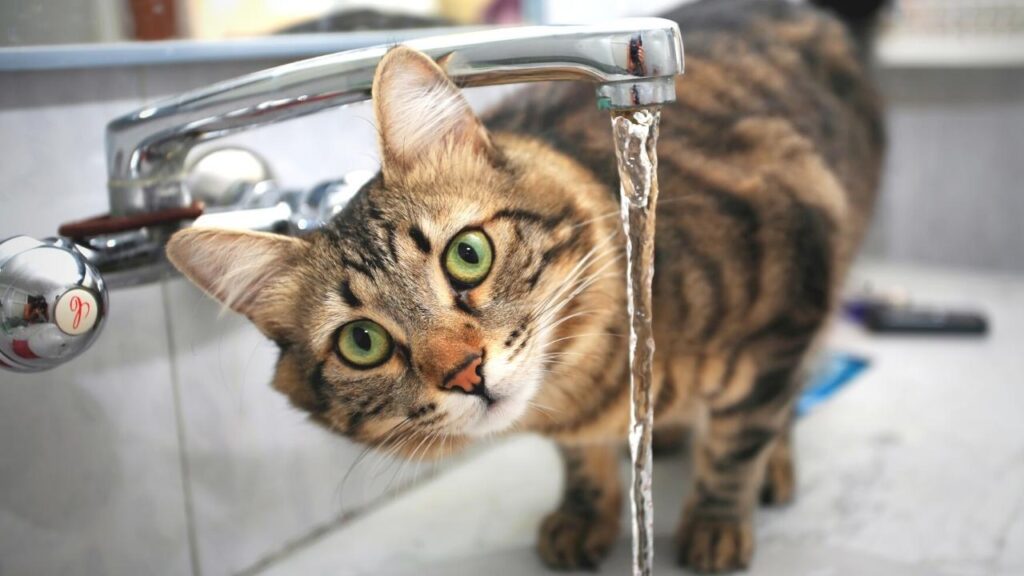
According to leading vets, a cat should drink about 75ml of fresh water per day for each 1 kg of weight (or 1 flOz of water per 1 pound of body weight). So if you have a 4kg cat, it should be drinking about 240ml water (a 9 lb cat should have 9 fluid ounces of water). However, this is just a general guideline, and the amount of water your cat needs may vary depending on various factors, such as their age, activity level, and diet.
It’s also important to note that cats are sensitive to the taste and presentation of water. Most cats instinctively gravitate toward fresh, moving water. If your cat is not drinking enough water, try providing them with a cat water fountain or refreshing their water bowl several times a day. Do this from when your cat comes to live with you (whether a kitten or adult) to get them into proper drinking habits with you from the start.
Factors Influencing a Cat’s Water Intake
A cat’s water intake can be influenced by several factors:
Age
A cat’s age can affect its water consumption. Kittens require more water per pound of body weight than adult cats. This is because kittens have a higher metabolic rate and need more water to support their growth and development. Senior cats may also require more water due to age-related health conditions such as kidney disease. For Kittens and Seniors, work on the basis of 1.5 flOz per 1 pound of weight (or 90ml per 1 kg of weight).
Diet
Wet cat food contains more water than dry cat food, so cats that eat wet food may drink less water than cats that eat dry food. However, it’s important to note that cats that eat dry food may need to drink more water to compensate for the lack of moisture in their diet. Additionally, cats that eat a diet high in sodium may drink more water to help flush out the excess salt.
Health Condition
How much water should a cat drink daily if they’re sick, is another question altogether.
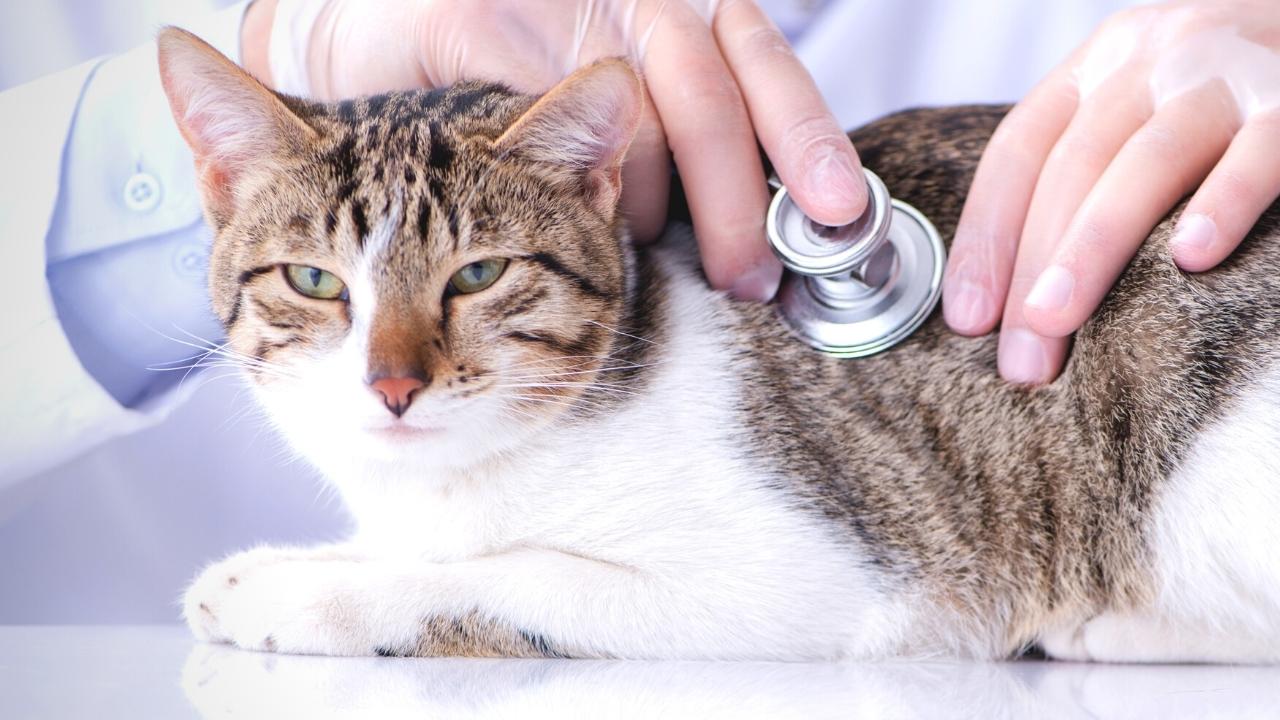
Cats with kidney disease may drink more water to help flush out toxins from their body. Cats with diabetes may also drink more water due to increased urination. On the other hand, cats with dental problems may drink less water due to pain or discomfort while drinking.
If you’re already keeping track of a poorly cat and their meds & symptoms, simply keep a note of their water intake as well. That way, you’ve got more info to tell the vet on your next visit, or if you have any concerns.
Activity Level
Cats that are more active may require more water to stay hydrated, especially in warmer weather. Think Bengals, Devon Rex, European Short Hair, Burmese, Absinnians and other high energy kitties who love to bounce around and then need to replenish lots fluids. Conversely, cats that are less active may not need as much water. Breeds such as Ragdolls, Persians, American Shorthair, Himalayans love to chill so don’t need as much water.
How to Monitor Your Cat’s Water Intake
It can be difficult to monitor your cat’s water intake, especially if you have a busy schedule or multiple cats. But here are some of our own favorite tips to help…
Measure the Water
One way to monitor your cat’s water intake is to measure the amount of water you pour into their bowl at the start of the day and then measure the amount of water that is left at the end of the day. This will give you an idea of how much water your cat is drinking. You can use a measuring jug or a large syringe to measure the water in milliliters (ml) or use digital weighing scales to measure the water in grams (g), since 1 g of water is equal to 1 ml of water.
Keep Multiple Water Sources
Cats may prefer to drink from different sources, such as a water fountain, a bowl, or even a dripping faucet. By providing multiple water sources, you can encourage your cat to drink more water. Make sure to keep the water sources clean and fresh by changing the water daily.
Wet Food
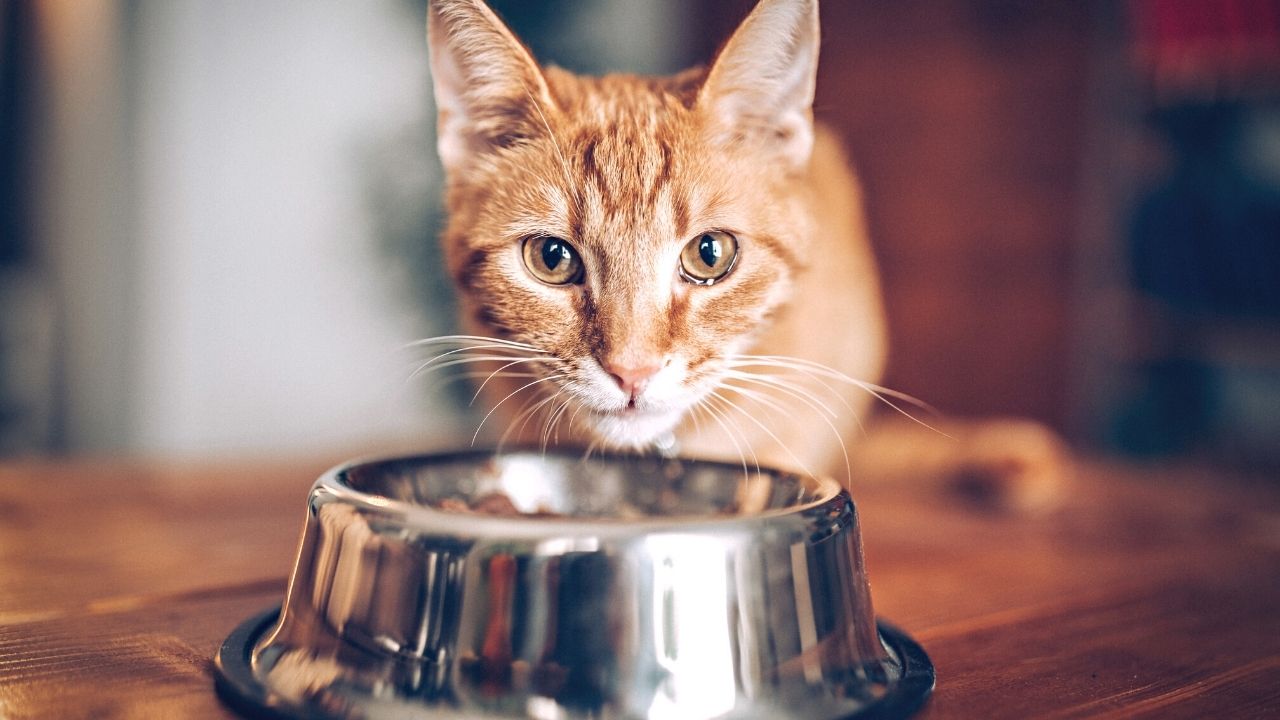
If your cat eats wet food, they may not need to drink as much water as a cat that eats dry food. Wet food is about 70-80% water, so it can help keep your cat hydrated. However, it is still important to monitor your cat’s water intake and make sure they are drinking enough water.
Keep a Diary
If you’re concerned, grab a notepad and pen and jot down what you cat is drinking each day. You can then let the vet know on any visits, and it might even just put your mind at rest when you see it in black and white.
Signs of Dehydration in Cats
One big reason to know how much water a cat should drink each day is so that we can stop them getting dehydrated. Dehydration can be a serious issue and can lead to a number of health problems if not addressed promptly. Keep an eye out for:
- Dry mouth and nose
- Lethargy or lack of energy
- Sunken eyes
- Loss of appetite
- Elevated heart rate
- Poor skin elasticity
- Dark yellow urine or decreased urination
If you notice any of these symptoms in your cat, contact your veterinarian immediately. Dehydration can be caused by a number of factors, including not drinking enough water, excessive urination, vomiting, diarrhea, or fever.
One way to check if your cat is dehydrated is to perform a skin tent test. Gently pinch the skin on the back of your cat’s neck and pull it up. If the skin takes longer than a few seconds to return then your cat may be dehydrated.
It’s important to note that cats are notorious for hiding signs of illness, so it’s crucial to monitor their behavior and habits closely. Encouraging your cat to drink more water and seeking veterinary care if necessary can help prevent dehydration and keep your cat healthy.
Urinary Tract Disease
Urinary tract disease or infections (UTIs) are a common problem for cats, and can be caused by a variety of factors. One important factor that can contribute to UTIs in cats is water intake. Adequate hydration is essential for maintaining a healthy urinary tract, and cats that don’t drink enough water are at increased risk of developing UTIs [1]
UTIs can be caused by a variety of factors, including stress, poor diet, and dehydration. But you can help your kitty minimize the risk of getting a urinary problem by providing fresh, clean water.
How can I get my cat to drink water?
Encouraging your cat to drink water is for their overall health and well-being. Here are some methods that can help increase your cat’s water intake:
Use of Wet Food
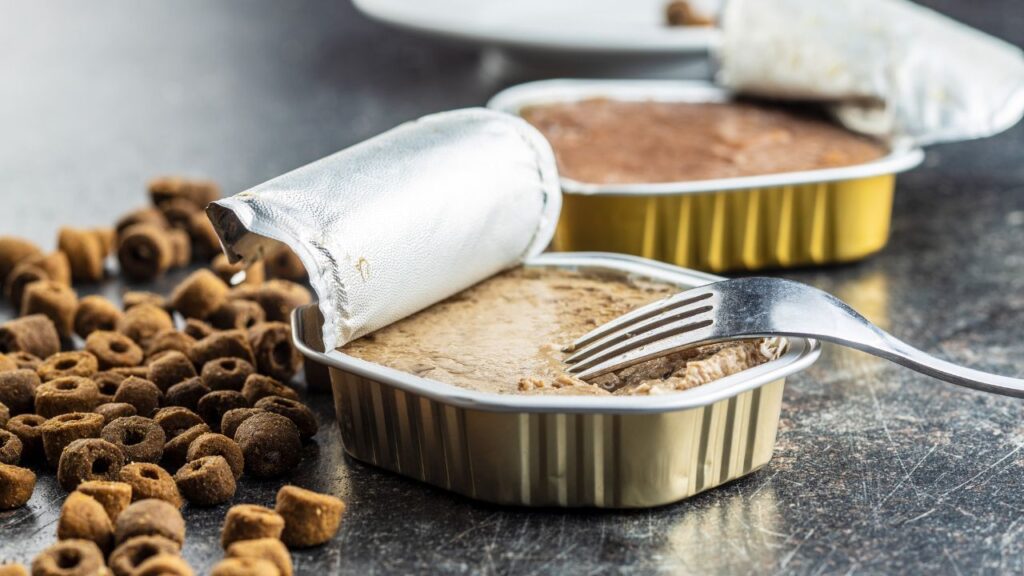
One of the easiest ways to increase your cat’s water intake is by switching to wet food. Most pouched or canned foods have between 78 and 82% water content, providing your cat with hydration without them even knowing it. According to Cornell University College of Veterinary Medicine, cats that eat wet food may drink less, and cats that eat dry food usually take more of their daily water intake from their water bowl. Therefore, feeding your cat wet food is a great way to ensure that they are getting more water.
Water Fountains
Cats are naturally attracted to running water, so providing them with a water fountain can encourage them to drink more water. Water fountains are also beneficial because they keep the water fresh and cool, which can be especially helpful during hot weather. You can find a variety of water fountains designed specifically for cats, ranging from simple designs to more complex ones with multiple levels and filters.
One extra tip is always have an extra bowl of clean water left out somewhere – if there’s a random powercut, your kitty will be otherwise left with no water access.
Multiple Water Sources
Having multiple water sources around your home can also encourage your cat to drink more water. Place water bowls in different areas of your home, such as near their food bowl, in their favorite sleeping spot, and in areas where they like to play. This will make it easier for your cat to access water throughout the day and encourage them to drink more frequently. And don’t forget, tap water straight from the faucet makes a lot of kitties happy, if you ever want to give that a try!
Frequently Asked Questions
How much water should a cat drink daily?
Is it normal for a cat to drink a lot of water?
How can I tell if my cat is dehydrated?
Should I leave water out for my cat at night?
Should I leave out more water on hotter days?
Why is my cat not drinking water but eating?
What should I do if my sick cat won’t drink water?
When should I consult a vet?
– Loss of appetite
– Dry mouth or gums
– Sunken eyes
– Loss of skin elasticity
– Dark urine or reduced urine output
If you notice any of these signs, it’s best to take your cat to the vet as soon as possible. Dehydration can lead to serious health problems, including kidney damage and urinary tract infections.
In addition, if your cat has a medical condition or is taking medication that affects their fluid intake, it is important to consult with your vet to determine the appropriate amount of water they should be drinking daily.
So How Much Water Should a Cat Drink Each Day?
A cat’s water intake can be influenced by several factors including age, diet, health conditions, and activity level. It’s important to monitor your cat’s water intake and make sure they are drinking enough water to stay healthy and hydrated. If your cat has ingested toxic plants, essential oils or dangerous foods, they need to drink a lot more to flush out their system, and you should always take them to see a vet.
And if you ever have any concerns about your cat’s hydration levels, it is always best to consult with a vet. They’ll always be best placed to ensure their health & well-being.


