
Understanding how long can house cats live is important, so that we can provide them with the best care possible. On average, the lifespan of a house cat is 10 to 15 years. However, some cats can live well into their twenties. In this article, we will explore the factors that influence a cat’s lifespan, the aging process in cats, and how to maximize your cat’s lifespan. We will also answer some frequently asked questions about house cats’ lifespan.
Keep reading if you want to learn:
How long can house cats live for?
As cat owners, we want our furry friends to live long, healthy lives. But how long can house cats live? The answer is not straightforward, as it depends on various factors such as breed, lifestyle, and overall health.
According to UC Davis School of Veterinary Medicine, the average life expecatancy for a house cat is between 10 -15 years. Indoor cats on the whole tend to live longer than outdoor cats. It makes sense really – there are fewer threats ins the comfort and safety of your home.
Some breeds, such as Siamese and Maine Coon cats, can live to be 15-20 years old, while others have a shorter lifespan. For example, the Persian breed is prone to health issues that can shorten their life expectancy.
It is essential to note that a cat’s lifestyle can significantly impact their lifespan. Outdoor cats are more at risk for accidents, injuries, and illnesses, which can decrease their life expectancy. In contrast, indoor cats have a more controlled environment and are less likely to encounter such risks.
Other factors that can affect a cat’s lifespan include their diet, weight, and overall health. Obese cats have a shorter life expectancy than those at a healthy weight, as they are at risk of developing heart and respiratory problems, as well as diabetes…
Factors Influencing Average Life Spans
Cats have a lifespan that varies depending on several factors. Here we will discuss some of the most important factors that can influence how long a house cat can live.
Genetics
Genetics plays a significant role in determining a cat’s lifespan. Some breeds of cats are known to live longer than others. For example, Siamese and Burmese cats have a lifespan of up to 15 years, while Persians can live up to 20 years. However, genetics is not the only factor that determines a cat’s lifespan. You can check out our article about the lifespan of popular breeds, where we break down what attirubes work for and against their health.
Diet
A cat’s diet and exercise play a crucial role in determining their lifespan. A well-balanced diet that provides all the necessary nutrients can help keep a cat healthy and extend their lifespan. On the other hand, a poor diet can lead to obesity and other health problems that can shorten a cat’s lifespan.
Exercise
Regular exercise is also essential for a cat’s health. Physical activity can help prevent obesity and other health problems, which can lead to a longer lifespan. It is recommended that cats get at least 20-30 minutes of exercise per day.

Health Care
Routine medical care is vital for a cat’s longevity. Regular checkups with the veterinarian can help detect and treat health problems early, which can extend a cat’s lifespan. Vaccinations, parasite prevention, dental care, and other health care measures can also help keep a cat healthy and extend their lifespan. Some breeds are prone to certain common diseases more than others, so it’s important that you research your own cat’s breed to see just where their weak spots may be. That way, you can budget for the right health care and also know what to keep an eye out for.

Dental Care
Separate to standard medical care, you should keep your cat’s dental hygiene in as tip top condition as you can. There are little fingers brushes you can use (if your cat lets you, of course!) to clean their teeth. Or dental sticks to give weekly for regular dental cleanings. If your cat has strong teeth they’ll be able to eat & drink well, which might also help towards preventing digestive issues.
Living Environment
The living environment can also play a role in a cat’s lifespan. Indoor cats generally live longer than outdoor cats because they are not exposed to the same risks and hazards. However, indoor cats can still develop health problems if they are not provided with a safe and stimulating environment. Providing environmental enrichment, such as toys and scratching posts, can help keep indoor cats healthy and extend their lifespan. And you may even get some extra love and affection from your feline friend, if you’re lucky!
The Aging Process in Cats – Cat Years
As cats age, they go through several life stages, each with its own unique characteristics and needs. Understanding these stages can help us provide the best possible care for our feline friends.
Young Adult
The young adult stage typically lasts from 1 to 6 years of age. During this time, cats are generally healthy and active, with plenty of energy for play and exploration. They may start to show some signs of maturity, such as a decrease in their desire to play or a preference for a quieter lifestyle.
Mature Adult
The mature adult stage lasts from 7 to 10 years of age. At this point, cats may start to experience some age-related changes, such as a decrease in muscle mass or a decline in their senses. They may also be more prone to certain health issues, such as dental problems or arthritis.
Senior
The senior stage begins at around 10 years of age and continues for the rest of the cat’s life. During this time, cats may experience more significant changes, such as a decrease in mobility or cognitive function. They may also be more susceptible to chronic health conditions, such as kidney disease or hyperthyroidism.
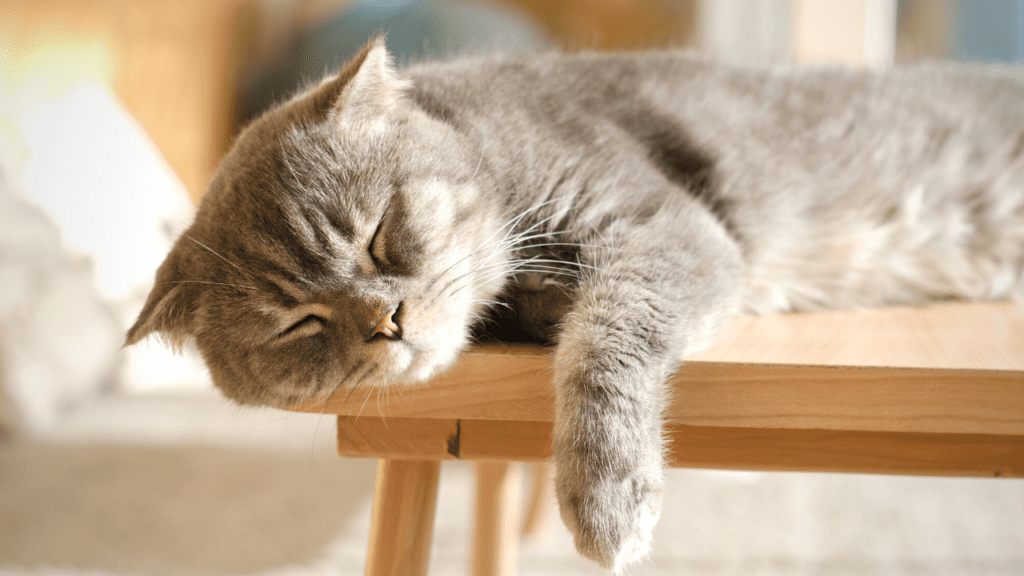
End-of-Life
The end-of-life stage can occur at any age, depending on the cat’s health and medical history. As cats approach the end of their lives, they may experience a variety of symptoms, such as loss of appetite, weakness, and difficulty breathing. It’s important to work closely with your veterinarian during this time to ensure that your cat is as comfortable as possible.
Overall, the aging process in cats is a natural part of life. By understanding the different stages and providing appropriate care, we can help our feline friends live happy and healthy lives for as long as possible.
Maximizing Your Cat’s Lifespan
Cats are wonderful companions and it’s natural to want them to live long, healthy lives. Here are some ways to maximize your cat’s lifespan:
Proper Nutrition
Good nutrition is essential for a healthy cat. It’s important to feed your cat a balanced and nutritious diet that meets their specific needs. This includes providing them with high-quality protein, essential fatty acids, vitamins, and minerals.
Feeding your cat a diet that is appropriate for their age, weight, and activity level can help prevent obesity, which can lead to a variety of health problems. You should always have lots of fresh water available for them, and only feed them recommended cat food. Lots of human food can be harmful to your little kitty, so don’t feed them any leftovers from your own plate.
Regular Vet Checkups
Regular veterinary checkups are essential for keeping your cat healthy and detecting any health problems early on. We recommend taking your cat to the vet at least once a year for a checkup and vaccinations.
During these checkups, your vet will perform a physical exam, check your cat’s weight, and perform any necessary blood tests or other diagnostic tests. This can help detect any health problems early on, when they are easier to treat.
Safe Living Conditions
Creating a safe living environment is important for your cat’s health and well-being. This includes providing them with a clean litter box, a safe and comfortable place to sleep, and plenty of opportunities for exercise and play. If you can minimise stress levels for your cat it’s been proven to help extend their lifespan – so crank up the smooth jazz and meditate with your kitty!

It’s also important to keep your cat safe from potential hazards in your home, such as toxic plants, cleaning products, and other household items that can be harmful to their health.
By following these tips, you can help maximize your cat’s lifespan and ensure that they live a long, healthy, and happy life.
Clean litter
Cleaning your cat’s litter box at least once daily is necessary for their health, too. It removes any nasty germs or parasites that might be lurking, not to mention keeps your home smelling fresher. It also stops your cat developing behavioral issues from spraying around the home (no one wants that!) so helps keep them more relaxed. Less stress, less mess, and a happier life for your fur babies.
Indoor vs Outdoor cats
What’s more, the decision of whether to keep your cat indoors or outdoors can also have an impact on their lifespan. Outdoor cats are more likely to experience injuries or illnesses due to exposure to other animals or environmental hazards. Indoor cats, on the other hand, can be safer from these risks but may be prone to obesity or boredom if they don’t get enough exercise. Mental stimulation is critical to some cat’s wellbeing, so ultimately, you’ll have to weight up the risks and benefits of both options and decide what’s best for your cat.

FAQs – How long can house cats live for?
What is the average lifespan of a house cat?
What breed of cat lives longest?
What are the different life stages of a cat?
Can indoor cats live up to 20 years or more?


