If you’re considering getting a cat, one of the most important things to consider is how much does a cat cost. And not just to buy, but to feed, care for and home for upwards of 12 years (check out our article all about how long cats typically live for)

While cats are generally less expensive than dogs, they still require a significant financial commitment. In this article, we’ll break down the costs associated with owning a cat, from initial adoption fees to recurring expenses like food and litter, as well as healthcare costs.
Understanding the Cost of Owning a Cat is important before you make the decision to bring one into your home. While the initial costs of adoption or purchase can vary widely, there are also ongoing expenses to consider. These include food, litter, toys, and other supplies. Additionally, you’ll need to factor in veterinary costs, including annual checkups, vaccinations, and any unexpected medical expenses that may arise.
Keep reading to find out…
Understanding the Cost of Owning a Cat
When it comes to owning a cat, there are many costs to consider. From adoption fees to food and litter expenses, it’s important to budget accordingly to ensure that you can afford to provide your furry friend with the care they need.
The cost of owning a cat can vary depending on a number of factors, including whether you adopt or buy a cat, the breed of cat, and the age of the cat. According to our research, the average cost of adopting a cat is between $50 to $200, while buying a purebred cat from a breeder can cost anywhere from $500 to $3,500.
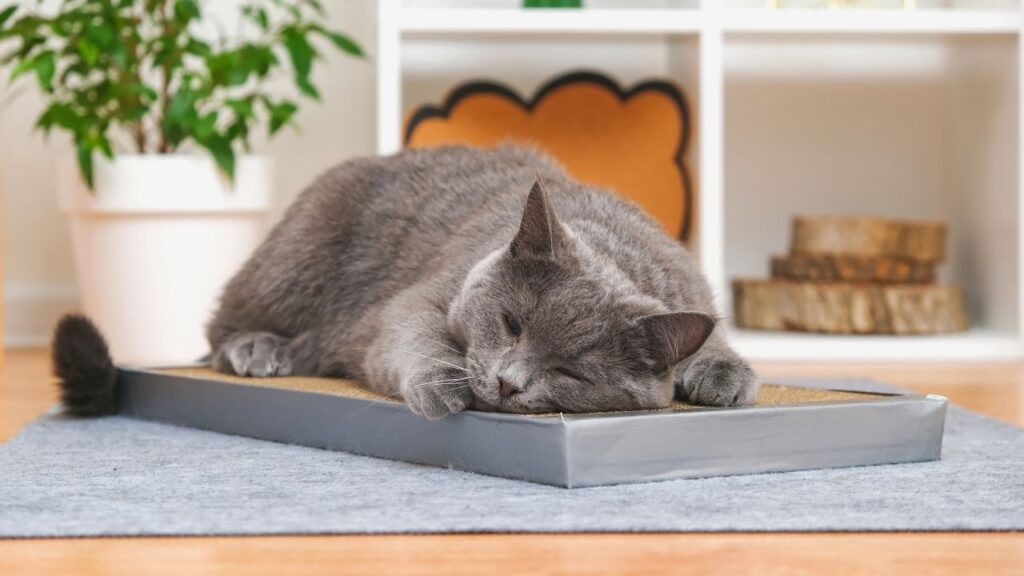
In addition to the initial cost of acquiring a cat, there are ongoing expenses to consider. These include food, litter, toys, and veterinary care. On average, most cat owners can expect to spend between $1,100 and $2,000 per year on their cat. However, it’s important to note that the first year of owning a cat is typically the most expensive, as you will need to purchase all of the necessary supplies and pay for initial vaccinations and veterinary care.
When it comes to budgeting for the cost of owning a cat, it’s important to consider both the monthly and annual expenses. Monthly expenses can include food, litter, and any ongoing medication or supplements that your cat may require. On average, most cat owners can expect to spend between $30 to $50 per month on these expenses.

It’s also important to factor in the cost of veterinary care. Regular check-ups and preventative care can help keep your cat healthy and catch any potential health issues early on. According to our research, the average cost of a routine vet visit is between $50 to $100. However, more complex procedures or emergency care can be much more expensive.
In summary, owning a cat can be a rewarding experience, but it’s important to be prepared for the costs associated with providing your furry friend with the care they need. By budgeting accordingly and considering both the initial and ongoing expenses, you can ensure that you are able to provide your cat with a happy and healthy life.
How Much Does A Cat Cost?

If you’re thinking about adopting a cat, it’s important to consider the costs involved. Adopting a cat can be a rewarding experience, but it’s important to understand the financial obligations that come with it. In this section, we’ll discuss the costs and considerations involved in adopting a cat.
Adoption Fees and Procedures
When adopting a cat, you’ll typically need to pay an adoption fee. Adoption fees can vary depending on the shelter or rescue organization you’re working with, but they usually range from $15 to $350, depending on the organization and the cat’s age, breed, and health status. This fee helps cover the cost of caring for the cat while they’re in the shelter, including food, medical care, and other expenses.
However, adopting a cat can also come with its own set of challenges and considerations, such as potential behavioral or health issues, so it’s important to do your research and choose a reputable organization.
In addition to the adoption fee, you’ll also need to go through an adoption process. This process can vary depending on the shelter or rescue organization, but it typically involves filling out an application, meeting with an adoption counselor, and providing references. Some organizations may also require a home visit to ensure that your home is a safe and suitable environment for a cat.
Breeder vs Shelter: A Cost Comparison
When it comes to adopting a cat, you have two main options: adopting from a shelter or rescue organization, or purchasing from a breeder. While purchasing from a breeder may seem like a more attractive option at first glance, it’s important to consider the costs involved.
Adopting from a shelter or rescue organization is often more affordable than purchasing from a breeder. Adoption fees are typically much lower than the cost of purchasing a cat from a breeder, which can range from $500 to $2,000 or more. In addition, many shelters and rescue organizations provide cats with necessary medical care before they’re adopted, which can save you money in the long run.
In addition to the financial benefits, adopting from a shelter or rescue organization also helps support a good cause. By adopting a shelter cat, you’re helping to provide a home for a cat in need and supporting the efforts of animal welfare organizations like the ASPCA.
In summary, adopting a cat can be a rewarding experience, but it’s important to consider the costs involved. When comparing the costs of adopting from a shelter versus purchasing from a breeder, adopting from a shelter is often the more affordable option. However, not as many kittens are typically available from shelters, and some cats from shelters might not be well-suited to families with children. So it’s well worth doing lots of research and asking enough questions at the shelter to make sure you’re going to find a cat who will suit your family’s needs.
As a prime example, as much as we wanted to adopt from a shelter, there were never any cats in our local area who were suited to live with children. And so with a 6-year old son, we ended up buying our kitten from a reputable breeder. That way, we could raise our kitten from a young age to be part of a family with children.
Initial Costs of Cat Ownership
Bringing a new cat into your home requires some initial expenses. In this section, we will discuss the one-time purchases and the cost of the first veterinary visit and vaccinations. “We estimate that the average pet owner spends $1,100–2,000 within the first year” says the ASPCA.

One-Time Purchases
Before you bring your new feline friend home, you will need some basic cat care supplies. Here are some one-time purchases you should consider:
- Carrier: You will need a carrier to transport your cat safely. Prices for carriers vary depending on the size and quality, but you can expect to pay between $30 to $100.
- Bed: Your cat will appreciate a comfortable place to sleep. Cat beds range from $15 to $50, but you can also use a soft blanket or towel.
- Scratching post: Cats need to scratch, and a scratching post can help save your furniture. You can find scratching posts for as little as $10, but some more elaborate models can cost up to $100.
- Cat flap: If you plan to let your cat go outside, a cat flap can give them the freedom to come and go as they please. Prices range from $20 to $100.
First Veterinary Visit and Vaccinations
Your new cat will need a general exam and vaccinations to keep them healthy. Here are some of the vaccinations your cat may need:
- Feline leukemia: $20 to $40 per shot
- Rabies: $15 to $25 per shot
- Felv: $20 to $40 per shot
- Booster shots: $15 to $25 per shot
The cost of the first veterinary visit and vaccinations can vary depending on where you live and the vet you choose. On average, you can expect to pay between $50 to $300 for the first visit.
In conclusion, the initial cost of cat ownership can range from a few hundred dollars to over a thousand dollars. However, with proper care and attention, your cat can provide years of love and companionship.
Recurring Costs: Food, Litter, and More
As cat owners, we know that recurring costs are an inevitable part of cat ownership. In this section, we will discuss the key recurring costs associated with owning a cat. We will cover the cost of food, treats, litter, cleaning supplies, and more.
Food and Treats
One of the most important recurring costs for a cat owner is food. The amount you spend on food will depend on the type of food you choose to feed your cat. The cost of cat food can range from $10 to $40 per month. Some factors that can cause the food to be cheaper or more expensive include the brand, type, special needs, or dietary requirements of your cat.
Treats are another cost to consider, as they can be an important part of your cat’s diet. The cost of treats can vary depending on the type of treat you choose to give your cat. Some cat treats can be purchased for as little as $1 per bag, while others can cost upwards of $10 per bag.
Your kitty will also need water bowls or a water fountain, along with food bowls. Depending on how durable they are, you might need to replace these every year or two. So try to work out the cost of buying cheaper bowls (but more often) vs investing in a more durable bowl from the outset.
Litter and Cleaning Supplies
Another important recurring cost for cat owners is litter and cleaning supplies. The cost of cat litter can vary depending on the type of litter you choose to use. Clay litter is typically the cheapest option, while biodegradable or crystal litter can be more expensive.
In addition to litter, you will also need to purchase cleaning supplies to keep your cat’s litter box clean and odor-free. This can include litter box liners, deodorizing spray, and cleaning wipes. The cost of these supplies can add up over time, but they are essential for maintaining a clean and healthy environment for your cat.
Overall, the recurring costs associated with owning a cat can vary depending on your individual circumstances and the needs of your cat. However, by budgeting for these costs and being mindful of your spending, you can provide your cat with the care and attention they deserve without breaking the bank.
Healthcare Costs for Cats
As responsible pet owners, we understand the importance of providing our cats with proper healthcare. However, veterinary bills can add up quickly, so it’s important to consider the potential costs before bringing a cat into your home.

Routine Veterinary Care
Routine veterinary care is essential for maintaining your cat’s health. The cost of these services can vary depending on your location and the type of veterinary clinic you choose. On average, you can expect to pay around $200 to $400 per year for routine veterinary care, which includes:
- Annual checkups
- Vaccinations
- Teeth cleaning
- Flea and tick treatments
- Spay/neuter surgery
Spaying or neutering your cat can help prevent certain illnesses and unwanted behaviors. The cost of this surgery can range from $50 to $200.
Emergency Veterinary Care
Medical emergencies can happen at any time, and they can be costly. Emergency veterinary care can cost anywhere from $500 to $5,000 or more, depending on the severity of the situation and the treatment required. Pawp offers an affordable alternative to traditional pet insurance, providing access to 24/7 veterinary telehealth services and emergency funds for unexpected veterinary bills.
Pet Insurance
Pet insurance can help cover the cost of veterinary bills and provide peace of mind. The cost of cat insurance varies depending on the level of coverage you choose. On average, you can expect to pay around $20 to $50 per month for annual coverage. Most pet insurance policies have a deductible, which is the amount you must pay out of pocket before the insurance kicks in.
Insurance policies range in what they provide, from covering for pre-existing medical conditions, to lifetime coverage of any illness, and to fully comprehensive plans. No matter your budget, there should be something out there to suit you and your kitty.
When considering the cost of cat ownership, it’s important to factor in the potential healthcare costs. By providing routine veterinary care and considering pet insurance options, you can help ensure your cat stays healthy and happy for years to come, and minimise the lifetime costs of any ailments.
Additional Costs of Cat Ownership
As we mentioned earlier, owning a cat comes with various costs, including upfront costs, essential costs, and unexpected costs. However, there are also additional costs that you should consider when owning a cat. In this section, we will discuss some of these additional costs.
Toys and Entertainment
Cats are playful creatures and need toys and entertainment to keep them happy and healthy. Some of the toys that you can buy for your cat include scratching posts, laser pointers, and interactive toys. These toys can cost anywhere from a few dollars to over $50. However, keep in mind that not all cats will enjoy the same toys, so you may need to experiment to find out what your cat likes.

Professional Grooming
While cats are known for their grooming habits, they may still need professional grooming from time to time. This is especially true for long-haired cats that are prone to matting and tangling. Professional grooming can cost anywhere from $30 to $100, depending on the breed of your cat and the type of grooming required.
Boarding and Pet Sitting
If you plan on traveling, you may need to board your cat or hire a pet sitter. Boarding can cost anywhere from $15 to $50 per day, while pet sitting can cost anywhere from $15 to $25 per visit. Keep in mind that the cost of boarding and pet sitting will vary depending on your location.

Microchipping and ID Tags
Microchipping and ID tags are essential for keeping your cat safe. Microchipping can cost anywhere from $25 to $50, while ID tags can cost anywhere from $5 to $20. Microchipping is a one-time cost, while ID tags may need to be replaced from time to time.
In conclusion, owning a cat comes with various costs, including additional costs such as toys and entertainment, professional grooming, boarding and pet sitting, and microchipping and ID tags. However, by shopping around and being mindful of your cat’s breed and lifestyle, you can manage these costs and provide your cat with a happy and healthy life.

FAQs – How Much Does A Cat Cost?
What is the average cost of owning a cat?
However, it’s important to note that these are just averages, and the cost can be higher or lower depending on your individual circumstances.
How much does it cost to adopt a cat from a shelter?
How much does it cost to buy a purebred cat?
What are the ongoing expenses of owning a cat?
Are there any hidden costs associated with owning a cat?
Is it more expensive to own a cat or a dog?
How much do Bengals cost?
How much do Maine Coons cost?
How much do Persian kittens cost?
How much does it cost monthly to own a cat?