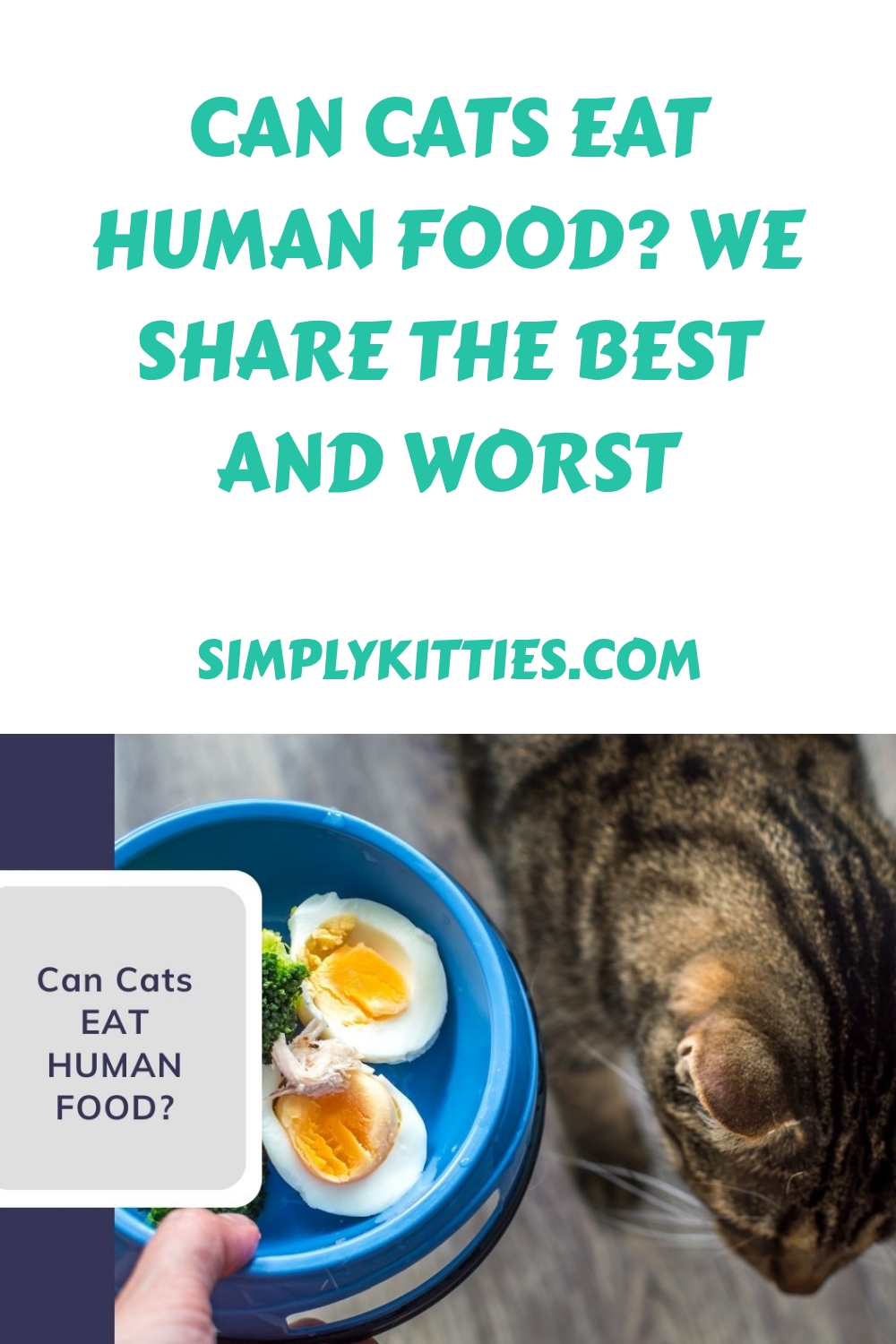
As cat owners, we want to ensure that our furry friends are healthy and well-fed. While cats are obligate carnivores, meaning that they require a diet high in animal protein, many of us have wondered if they can eat human food. The short answer is yes, but not all human foods are safe for cats to eat.
Understanding cats as obligate carnivores is crucial when considering their diet. Cats require a high amount of protein in their diet to maintain their health and wellbeing. While some human foods may contain protein, it’s important to ensure that cats are getting their protein from animal sources. Additionally, cats have specific nutrient requirements that may not be met by human food alone.
Human foods that cats can eat include cooked meat, fish, and eggs. However, it’s important to avoid feeding cats certain human foods, such as chocolate, onions, garlic, and grapes, as these can be toxic and potentially fatal to cats. Feeding cats a balanced diet that meets their specific nutrient requirements is essential for their health and longevity.
Keep reading to discover…
Understanding Cats as Obligate Carnivores
As cat owners, we all know that our furry friends have unique dietary needs. Unlike humans and other animals, cats are obligate carnivores. This means that they require meat as the primary source of nutrition in their diet.
Cats are unable to produce certain amino acids and other nutrients that are essential for their health. These nutrients can only be obtained through animal-based proteins, such as those found in meat. Without these nutrients, cats can develop serious health problems, such as heart disease, blindness, and even death.
It’s important to note that cats aren’t just picky eaters. Their bodies are simply not designed to digest plant-based foods in the same way that humans and other animals can. While cats may occasionally nibble on grass or other vegetation, this is usually done to aid in digestion or to help eliminate hairballs.
As responsible cat owners, it’s our job to ensure that our pets receive a balanced and nutritious diet. This means feeding them high-quality, animal-based proteins that provide all of the essential amino acids they need. It’s also important to avoid feeding them foods that are toxic or harmful, such as chocolate, onions, and garlic.
In summary, cats are obligate carnivores that require meat as the primary source of nutrition in their diet. As cat owners, it’s our responsibility to provide them with a balanced and nutritious diet that meets their unique dietary needs. By understanding the importance of animal-based proteins and avoiding harmful foods, we can help ensure that our feline friends live long and healthy lives.
Human Foods That Cats Can Eat
Broccoli
Broccoli is a safe vegetable for cats to eat. It is high in fiber, vitamin C, and other nutrients that can benefit your cat’s health. However, make sure to chop it into small pieces and cook it before giving it to your cat.
Cooked Fish
Cooked fish is a great source of protein and omega-3 fatty acids. However, make sure to remove any bones and cook it thoroughly before serving it to your cat.

Scrambled Eggs and Boiled Eggs
Eggs are a good source of protein for cats. Make sure to cook the eggs thoroughly before giving them to your cat. Avoid adding any seasoning or salt.
Cooked Lean Meat
Cooked lean meat, such as chicken, beef, and lamb, can be a good source of protein for cats. Make sure to remove any bones and fat before giving it to your cat.
Peas without Shells
Peas are a good source of fiber and vitamins for cats. Make sure to remove the shells before giving them to your cat.
Carrots
Carrots are a good source of fiber and vitamins for cats. Make sure to cook them before giving them to your cat.
Blueberries
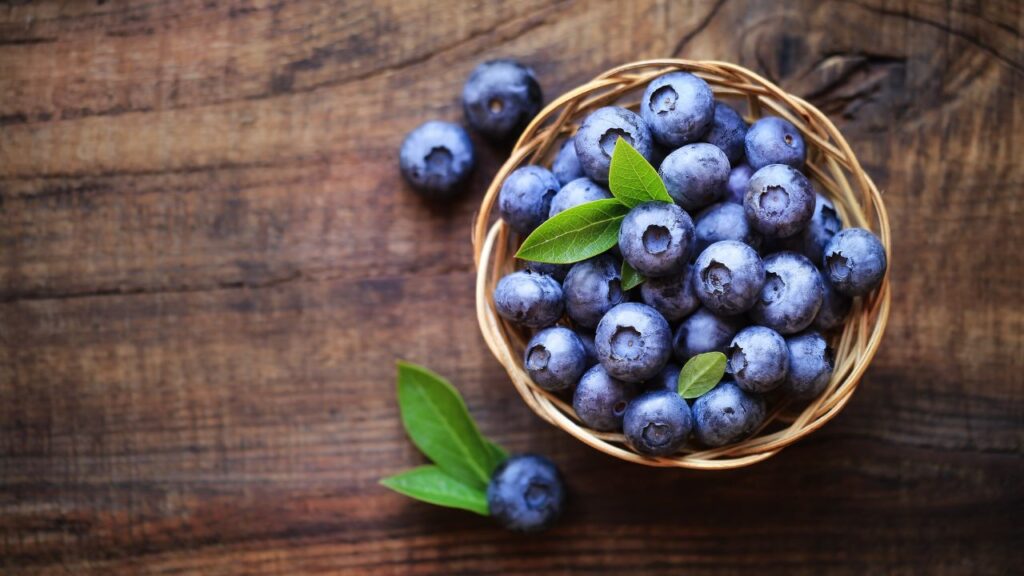
Blueberries are a good source of antioxidants and vitamins for cats. However, make sure to give them in moderation as they are high in sugar.

Watermelon
Watermelon is safe for cats to eat in small amounts. It is a good source of hydration and vitamins.
Cucumber
Cucumber is safe for cats to eat. It is a good source of hydration and vitamins.
Apples
Apples are safe for cats to eat in moderation. They are a good source of fiber and vitamins.
Rice
Cooked brown rice is safe for cats to eat. It is a good source of carbohydrates and fiber.
Oats
Cooked oats are safe for cats to eat. They are a good source of fiber and protein.
Spinach
Spinach is safe for cats to eat in moderation. It is a good source of vitamins and minerals.
Cooked Sweet Potato
Cooked sweet potato is safe for cats to eat. It is a good source of fiber and vitamins.
Carrots, Apples and Pumpkin
Carrots, apples, and pumpkin are safe for cats to eat in moderation. They are high in vitamins and minerals, such as vitamin A and potassium, and can provide a boost to your cat’s overall health.
Pumpkin
Pumpkin is a great source of fiber and can help regulate digestion. It can also be helpful in relieving constipation.
Green Beans
Green beans are a low-calorie source of fiber and can help your cat feel full without overeating. They can also be a good source of vitamins and minerals.
Green Beans and Brown Rice
Green beans and brown rice are safe for cats to eat in moderation. They are high in fiber and can help maintain a healthy digestive system for your cat.
Remember, while some human foods are safe for cats to eat, others can be toxic and harmful. Always check with your veterinarian before introducing any new human foods to your cat’s diet. Also, keep in mind that human food should not replace a balanced and complete cat food diet.
The Risk of Feeding Cats Certain Human Foods

As much as we love to share our food with our furry friends, it is important to note that not all human foods are safe for cats to consume. Some human foods can be toxic to cats, while others can cause digestive issues or even lead to serious health problems. Here are some of the human foods that you should avoid feeding your cat:
Raw Meat and Bones
While cats are carnivores and need meat in their diet, raw meat and bones can be dangerous for them to consume. Raw meat can contain harmful bacteria such as Salmonella and E. coli,, and bones can splinter and cause choking or blockages in the digestive system.
Raw fish
Raw fish, especially salmon, can contain a parasite that causes a disease called “salmon poisoning.” This disease can be fatal to cats if left untreated.
Onions, Chives, and Garlic
Foods from the allium family, such as onions, chives, and garlic, can cause damage to a cat’s red blood cells and lead to anemia. Even small amounts of these foods can be harmful.
Grapes and Raisins
Grapes and raisins can cause kidney failure in cats. It is not known why these fruits are toxic to cats, but it is best to avoid feeding them to your furry friend.
Raw dough
Raw dough contains yeast, which can cause the dough to rise in the cat’s stomach and cause bloating, vomiting, and even a life-threatening condition called gastric-dilation volvulus.
Mushrooms
Some types of mushrooms contain toxins that can cause severe liver and kidney damage in cats. It’s best to avoid feeding cats any type of mushroom.
Milk and Other Dairy Products
Most cats are lactose intolerant, which means that they cannot digest milk and other dairy products properly. Feeding your cat milk or cheese can cause digestive issues such as diarrhea and vomiting.
Liver
While liver is a good source of protein and vitamins for cats, it contains high levels of vitamin A, which can be toxic in large amounts.
Chocolate
Chocolate contains theobromine, which can cause vomiting, diarrhea, seizures, and even death in cats. The darker the chocolate, the more toxic it is to cats.
Raw Eggs
Raw eggs can contain Salmonella, which can cause food poisoning in cats. Raw eggs also contain avidin, which can interfere with the absorption of biotin, a B vitamin that is essential for a cat’s health.
Tuna
Tuna can be a good source of protein for cats, but it should only be fed in moderation. Tuna contains high levels of mercury, which can be harmful to cats if consumed in large amounts.
Avocados
Avocados contain a toxin called persin, which can cause vomiting and diarrhea in cats.
Tomatoes
Tomatoes contain solanine, which can cause digestive issues in cats. The leaves and stems of the tomato plant are also toxic to cats.
Feeding your cat a varied diet can help ensure that they get all the nutrients they need, but it is important to stick to cat-safe foods. If you are unsure whether a particular food is safe for your cat, it is best to consult with your veterinarian.
Benefits of Certain Foods for Cats
As we mentioned earlier, cats are obligate carnivores, which means that they need a high quantity of meat and protein in their diet to be healthy. However, some human foods can provide additional nutritional benefits to your feline friend. Here are some examples:
Omega-3 Fatty Acids
Omega-3 fatty acids are essential for maintaining a healthy coat and skin, as well as supporting brain function. Foods that are high in omega-3s include salmon, tuna, and sardines. You can also find omega-3 supplements specifically formulated for cats.

Fiber
Fiber is important for maintaining digestive health and preventing constipation. Foods that are high in fiber include whole grains, such as brown rice, and vegetables, such as carrots and peas.
Folate
Folate is important for maintaining healthy blood cells and supporting brain function. Foods that are high in folate include leafy green vegetables, such as spinach and kale.
Remember, while these foods can provide additional benefits to your cat’s diet, they should not be the primary source of nutrition. Always consult with your veterinarian before making any changes to your cat’s diet.

Potential Health Risks and Symptoms
As we’ve discussed, not all human foods are safe for cats to eat. In fact, some human foods can be downright dangerous for our feline friends. Here are some potential health risks and symptoms to be aware of:
Pancreatitis
Foods that are high in fat can cause inflammation of the pancreas, a condition known as pancreatitis. This can be a very serious condition and may require hospitalization and treatment.
Digestive Issues
Cats have sensitive stomachs, and certain human foods can cause digestive issues such as diarrhea and constipation. Foods that are high in sugar or carbohydrates can be especially problematic for cats.
Arthritis
Obesity is a major risk factor for arthritis in cats. Feeding your cat too much human food, which can be high in calories, can contribute to weight gain and increase the risk of arthritis.
Kidney Disease
Certain foods, such as onions and garlic, can be toxic to cats and can cause kidney damage. It’s important to be aware of which human foods are safe for your cat to eat and which ones to avoid.
Constipation
Foods that are low in fiber can cause constipation in cats. This can be uncomfortable for your cat and may require medical attention if it persists.
Diabetes
Feeding your cat too much human food can contribute to weight gain and increase the risk of diabetes. This means if you do give your cat watermelon and blueberries, you must do so in moderation to avoid them getting too many fruit sugars
Obstruction
Certain foods, such as bones and corn cobs, can cause intestinal obstruction in cats. This can be a life-threatening condition and may require surgery to correct.
Red Blood Cells
Some human foods, such as onions and garlic, can damage a cat’s red blood cells and cause anemia. It’s important to be aware of which human foods are safe for your cat to eat and which ones to avoid.
Overall, it’s important to be mindful of what you’re feeding your cat. Stick to a balanced diet that meets their nutritional needs and avoid feeding them too much human food. If you’re unsure about whether a certain food is safe for your cat to eat, it’s always best to err on the side of caution and avoid it altogether.
Consulting With a Veterinarian
When it comes to can cats eat human food, it’s essential to consult with a veterinarian to ensure that you’re providing your feline friend with a complete and balanced diet. A veterinarian can help you determine which human foods are safe for your cat and which ones to avoid. They can also recommend commercial cat foods and supplements that meet your cat’s nutritional needs.
One of the most important things to consider when feeding your cat human food is portion size. Cats have different caloric needs than humans, and overfeeding them can lead to obesity and other health problems. A veterinarian can help you determine the appropriate portion sizes for your cat based on their age, weight, and activity level.
In addition to consulting with a veterinarian, it’s crucial to feed your cat a complete and balanced cat food. If you’re not sure how much to feed your cat, check out our article here.

Commercial cat foods are formulated to meet your cat’s nutritional needs, and they provide all the essential nutrients that your cat needs to stay healthy. If you choose to feed your cat human food, it should only be given as a treat and should not replace a complete and balanced cat food.
In conclusion, consulting with a veterinarian is essential when it comes to feeding your cat human food. They can help you determine which foods are safe for your cat and which ones to avoid. They can also recommend commercial cat foods and supplements that meet your cat’s nutritional needs. Remember to always feed your cat a complete and balanced cat food and to only give human food as a treat in moderation.

FAQs – Can Cats Eat Human Food?
What human foods are safe for cats to eat?
Can cats eat chicken or other meats?
What fruits and vegetables can cats eat?
Is it okay to give my cat human food as a treat?
What are the risks of feeding my cat human food?
What should I do if my cat accidentally eats human food?