
One of the questions we get asked the most is how much does it cost to vaccinate a kitten? As cat owners, we want our cats to be as healthy as possible, and one way to do this is by making sure they receive the necessary vaccinations. If you’re a new kitten owner, you may be wondering how much it costs to vaccinate your new feline friend.

The cost of kitten vaccinations can vary depending on several factors, including the type of vaccine, the number of vaccines required, and the location of the veterinary clinic. Generally, vaccines cost around $20 to $30 per vaccine, and the full course of core vaccines can range from $100 to $150. However, this is just an estimate, and the cost can be higher or lower depending on your location and the specific needs of your kitten.
It’s important to keep in mind that the cost of vaccinations is a small price to pay compared to the potential cost of treating a disease that could have been prevented with a vaccine. In this article, we’ll discuss the different types of kitten vaccines, the vaccination schedule for kittens, any annual vaccinations or additional vaccinations your cat may need, and the factors that can influence the cost of kitten vaccinations. We’ll also cover some potential side effects and additional care considerations to keep in mind.
- Kitten vaccinations can vary in cost depending on several factors, including the type of vaccine, the number of vaccines required, and the location of the veterinary clinic.
- Vaccinations are a small price to pay compared to the potential cost of treating a disease that could have been prevented with a vaccine.
- It’s important to follow the recommended vaccination schedule for kittens and to discuss any concerns or questions with your veterinarian.
Keep reading to learn more about…
Understanding Kitten Vaccinations

When it comes to kitten vaccinations, it’s important to understand the different types of vaccines available, as well as which ones are considered core and non-core. Core vaccines are those that are recommended for all kittens, while non-core vaccines may be recommended based on the kitten’s lifestyle or risk factors.
Core vaccines for cats typically include those that protect against feline panleukopenia (also known as distemper), feline herpesvirus, and feline calicivirus. These diseases can be serious and even life-threatening, so it’s important to ensure your kitten receives these vaccinations.
Non-core vaccines for cats may include those that protect against diseases such as feline leukemia virus (FeLV), feline immunodeficiency virus (FIV), and Bordetella. These vaccines may be recommended based on your kitten’s lifestyle, such as if they will be spending time outdoors or in multi-cat environments.
It’s important to note that while kitten vaccinations are generally safe, there can be some side effects. These may include mild fever, lethargy, and loss of appetite. More serious side effects are rare, but it’s important to monitor your kitten after vaccinations and contact your veterinarian if you notice any concerning symptoms.
When it comes to the cost of kitten vaccinations, it can vary depending on your location and the specific vaccines recommended for your kitten. Generally, core vaccinations for kittens will cost between $50 and $100, while non-core vaccinations may cost more.

Overall, ensuring your kitten receives their vaccinations is an important part of responsible pet ownership. By understanding the different types of vaccines available and consulting with your veterinarian, you can help protect your kitten from serious diseases and ensure they live a happy and healthy life.
Types of Kitten Vaccines
When it comes to vaccinating your kitten, there are two main types of vaccines: core vaccines and non-core vaccines. Core vaccines are the ones that every kitten should receive, while non-core vaccines are optional and depend on your kitten’s lifestyle and risk of exposure.
Core Vaccines
Core vaccines are essential for all kittens, as they protect against highly contagious and potentially fatal diseases. These vaccines include:
- Feline Viral Rhinotracheitis, Calicivirus, and Panleukopenia (FVRCP) Vaccine: This combination vaccine protects against three common feline infectious diseases – feline rhinotracheitis, calicivirus (FCV), and panleukopenia (FPV). Kittens should receive their first FVRCP vaccine at 6-8 weeks of age, followed by boosters every 3-4 weeks until they are 16-20 weeks old.
- Rabies Vaccine: Rabies is a deadly viral disease that can be transmitted to humans. All kittens should receive a rabies vaccine, usually starting at 12 weeks of age, followed by boosters every 1-3 years depending on the vaccine used and local regulations.
- Feline Leukemia (FeLV) Vaccine: FeLV is a viral disease that can lead to cancer and other serious health problems in cats. Kittens should receive their first FeLV vaccine at 8-9 weeks of age, followed by boosters every 2-4 weeks until they are 16-20 weeks old.
Optional Vaccines
Non-core vaccines are optional and depend on your kitten’s lifestyle and risk of exposure. Your veterinarian can help you determine which non-core vaccines are necessary for your kitten. Some non-core vaccines include:
- Feline Immunodeficiency Virus (FIV) Vaccine: FIV is a viral disease that can lead to immunodeficiency and other health problems in cats. The FIV vaccine is recommended for cats that are at high risk of exposure, such as outdoor cats that may fight with other cats.
- Bordetella Bronchiseptica Vaccine: Bordetella is a bacterial infection that can cause respiratory problems in cats. The vaccine is recommended for cats that are at high risk of exposure, such as those that live in multi-cat households or frequent boarding facilities.
- Feline Infectious Peritonitis (FIP) Vaccine: FIP is a viral disease that can cause severe and often fatal disease in cats. The vaccine is not routinely recommended, as its efficacy is controversial and the disease is relatively rare.
Overall, vaccinating your kitten is an important step in protecting their health and well-being. Talk to your veterinarian about which vaccines are necessary for your kitten based on their lifestyle and risk of exposure.
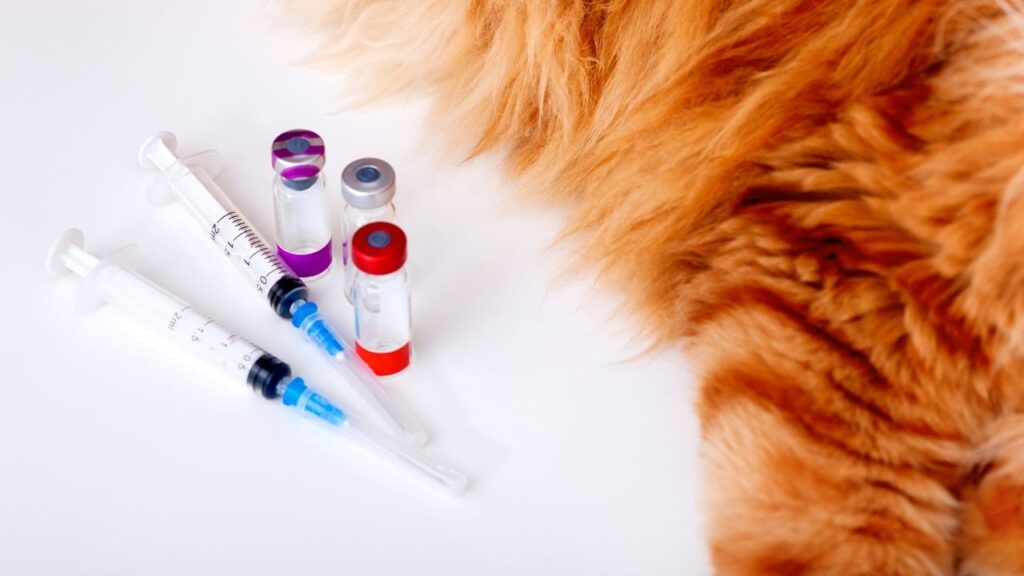
Vaccination Schedule for Kittens
At our veterinary clinic, we recommend a kitten vaccination schedule that covers the most crucial time in a kitten’s life. Kittens are more susceptible to diseases than adult cats, so it’s important to start vaccinations early.
The vaccination schedule for kittens typically begins at 6-8 weeks of age, followed by booster vaccines at 12 and 16 weeks old. The vaccinations protect against several common feline diseases, including:
- Feline Viral Rhinotracheitis (FVR)
- Calicivirus (C)
- Panleukopenia (P)
- Rabies
The timing of vaccinations is critical to ensure that kittens are protected as soon as possible. Delaying vaccinations can leave kittens vulnerable to potentially life-threatening diseases.
During the first year of a kitten’s life, it is important to follow the recommended vaccination schedule to ensure that they are fully protected. After the initial vaccinations, booster shots are recommended every one to three years, depending on the vaccine and the cat’s lifestyle.
At our clinic, we understand that the cost of vaccinations can be a concern for many pet owners. The cost of kitten vaccinations can vary depending on several factors, including location, the veterinary clinic, and the type of vaccine used. Individual vaccinations for kittens can cost anywhere from $20 to $45, with additional costs for a physical exam.
We believe that vaccinations are a crucial part of your kitten’s health and well-being. By following the recommended vaccination schedule, you can help protect your kitten from potentially life-threatening diseases and ensure that they live a long and healthy life. And we’ve created an article all about how much it costs to keep a cat, so you can properly budget month to month, too.
How Much Does it Cost to Vaccinate a Kitten?
As pet owners, we want to provide the best care for our furry friends, and vaccinations are an essential part of that care. Vaccines protect our kittens from potentially life-threatening diseases and illnesses. But, how much does it cost to vaccinate a kitten?
The cost of kitten vaccinations varies depending on several factors such as the number of vaccines required, the location of the veterinary clinic, and the type of vaccine used. Generally, the cost of each vaccine ranges from $25 to $50.
In addition to the vaccine cost, you should also budget for a physical examination for your kitten to ensure they are healthy enough to receive the vaccines. The initial examination is usually with the veterinarian, and follow-up exams are either with the vet or a certified technician.
It’s important to note that while vaccines may seem expensive, they are a small price to pay compared to the cost of treating a sick kitten. Vaccinations can help prevent costly medical bills and save your kitten’s life.
If you’re concerned about the cost of kitten vaccinations, there are low-cost options available. Many animal shelters and rescue organizations offer low-cost vaccination clinics. Additionally, some pet insurance plans cover the cost of vaccines.
In summary, the cost of kitten vaccinations can vary, but it’s a small price to pay for the health and well-being of your furry friend. Don’t hesitate to talk to your veterinarian about your budget concerns. They can help you find a solution that works best for you and your kitten.

Factors Influencing the Cost
When it comes to the cost of vaccinating a kitten, there are several factors that can affect the total amount you will need to pay. In this section, we will discuss the three primary factors that influence the cost of kitten vaccinations: vaccine type, location, and veterinary clinic.
Vaccine Type
The type of vaccine your kitten needs will have a significant impact on the overall cost of their vaccinations. There are several different types of vaccines that kittens can receive, including core vaccines and non-core vaccines. Core vaccines are essential for all kittens, while non-core vaccines are only recommended for kittens with specific risk factors.
Core vaccines include the FVRCP vaccine, which protects against feline viral rhinotracheitis, calicivirus, and panleukopenia. Non-core vaccines include the FeLV vaccine, which protects against feline leukemia virus, and the rabies vaccine, which is required by law in many states.
Location
The location where you live can also impact the cost of your kitten’s vaccinations. In general, the cost of living is higher in urban areas, which can lead to higher veterinary costs. Additionally, some areas may have higher demand for veterinary services, which can also drive up the cost of vaccinations.
Veterinary Clinic
The veterinary clinic you choose can also impact the cost of your kitten’s vaccinations. Different clinics may have different prices for vaccinations, and some clinics may offer package deals or discounts for multiple vaccines. It is important to research different clinics in your area and compare prices before making a decision.
In addition to the factors listed above, there are several other things to consider when it comes to the cost of vaccinating your kitten. For example, some shelters or rescue organizations may offer low-cost or free vaccinations for kittens. Additionally, indoor cats may require fewer vaccines than outdoor cats, which can help reduce the overall cost of preventative care.
It is also important to consider the cost of preventative care, such as spaying or neutering your kitten. These procedures can help prevent future health issues and may be required by some pet insurance policies.
Overall, the cost of vaccinating your kitten will depend on several factors, including vaccine type, location, and veterinary clinic. By researching your options and considering additional costs, you can ensure that your kitten receives the necessary preventative care while staying within your budget.
Potential Side Effects
As with any medical treatment, kitten vaccinations can have potential side effects. While most side effects are mild, some severe reactions can occur in rare instances.
Common side effects of kitten vaccinations include mild fever, lethargy, and loss of appetite. These symptoms usually subside within a day or two and do not require any treatment.
Less common side effects include vomiting, diarrhea, and swelling at the injection site. If your kitten experiences any of these symptoms, contact your veterinarian for further advice.
In extremely rare cases, a kitten may have a severe allergic reaction to a vaccine. Signs of an allergic reaction include difficulty breathing, swelling of the face or throat, and collapse. If you suspect your kitten is having an allergic reaction to a vaccine, seek emergency veterinary care immediately.
Incredibly rare side effects include sarcomas, although these are thankfully less and less common with advancements in vaccine medication.
It is important to note that the benefits of kitten vaccinations far outweigh the potential risks. Vaccinations protect your kitten from serious and potentially life-threatening diseases. If you have any concerns about potential side effects, talk to your veterinarian. They can provide guidance on how to minimize the risk of side effects and address any concerns you may have.
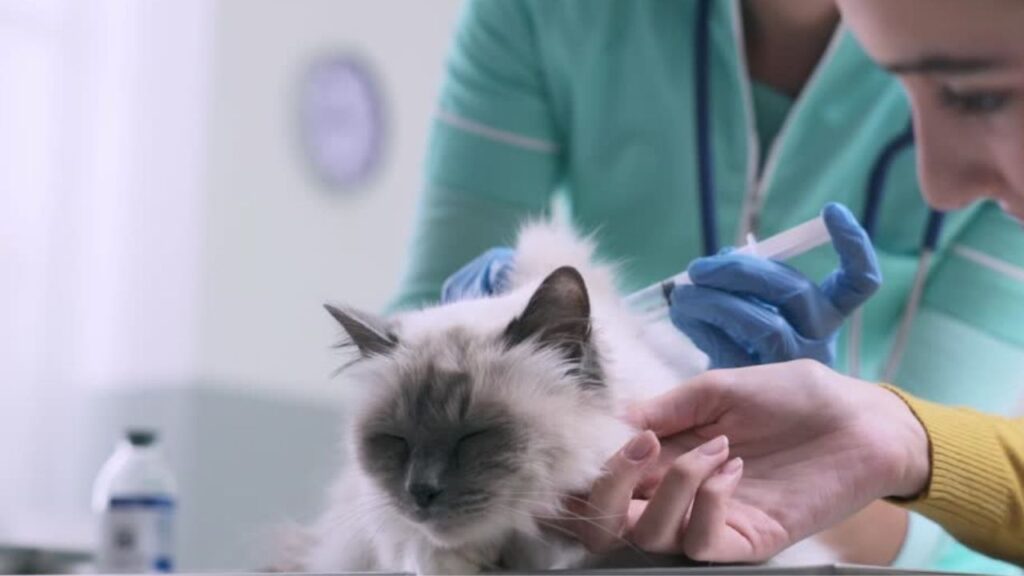
Additional Care Considerations
When it comes to caring for your kitten, vaccinations are just one part of the equation. In addition to keeping up with their vaccine schedule, there are a few other things to consider to ensure your kitten stays healthy and happy.
Firstly, it’s important to schedule regular checkups with your veterinarian. This will allow us to monitor your kitten’s growth and development, catch any illnesses early on, and provide any necessary treatments. We may also recommend additional vaccines or preventative care measures based on your kitten’s lifestyle and individual needs.
In addition to vaccinations, flea and tick prevention, heartworm prevention, and deworming are all important preventative measures to consider. These can help protect your kitten from a variety of parasites and diseases that can be harmful to their health.
If your kitten is experiencing allergies or other symptoms, we may also recommend antihistamines or other treatments to help alleviate their symptoms and keep them comfortable.
It’s also important to keep an eye out for any signs of illness in your kitten, such as sneezing, coughing, or lethargy. If you notice any of these symptoms, it’s important to bring your kitten in for a checkup as soon as possible.
Overall, taking a proactive approach to your kitten’s health and wellness can help ensure they stay happy and healthy for years to come. By staying up to date on their vaccine schedule and providing them with the care and attention they need, you can help set your kitten up for a lifetime of good health.
Does Pet Insurance Cover Cat Vaccinations?
Pet insurance can be a great way to help offset the cost of veterinary care for your kitten. However, it’s important to know what is covered under your policy and what is not. So, does pet insurance cover cat vaccinations?
The answer is: it depends on your policy. Some pet insurance policies cover vaccinations as part of their routine care coverage, while others do not. It’s important to read your policy carefully to understand what is covered and what is not.
If your policy does cover vaccinations, it’s important to note that there may be limitations. For example, your policy may only cover certain types of vaccines or may only cover a certain number of vaccinations per year. It’s important to understand these limitations so you can plan accordingly.
It’s also worth noting that even if your policy does cover vaccinations, you may still have to pay a deductible or co-pay. This can vary depending on your policy, so be sure to read the fine print.
Overall, pet insurance can be a great way to help offset the cost of veterinary care for your kitten, including vaccinations. However, it’s important to understand what is covered under your policy and what is not so you can make informed decisions about your kitten’s healthcare.

FAQs
What is the recommended age for kitten vaccinations?
How many vaccinations does a kitten need?
Can I vaccinate my kitten myself?
What is the cost of kitten vaccinations?
Where can I find affordable kitten vaccinations near me?
Is it necessary to neuter my kitten before getting them vaccinated?


