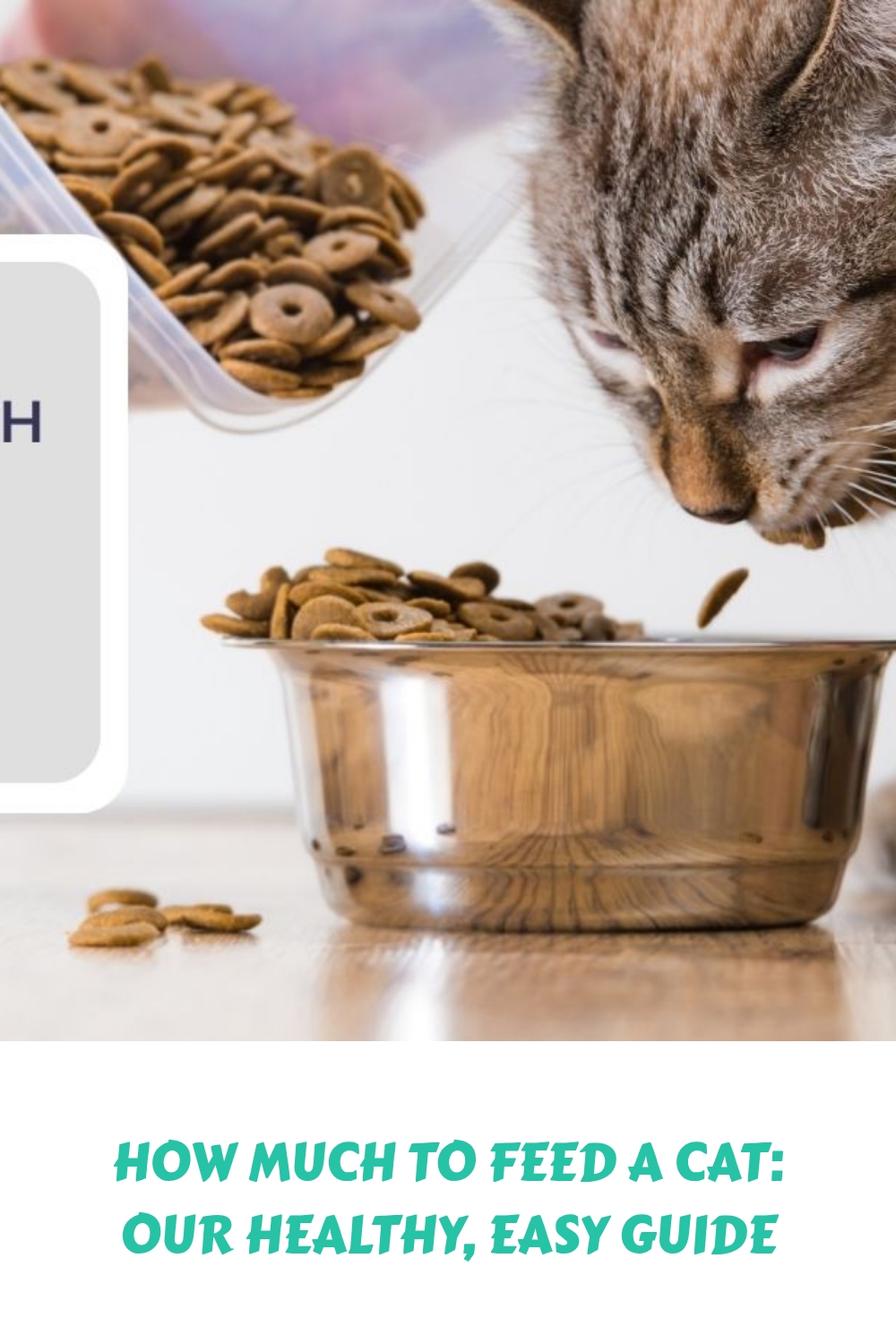
Feeding your cat is a crucial aspect of being a cat parent. It’s super important to understand how much to feed your cat to keep them healthy and happy. The amount of food your cat needs depends on several factors, including their age, weight, and activity level.
Understanding your cat’s nutritional needs is key to feeding them the right amount of food. Cats require a diet that is high in protein and low in carbohydrates. They also need essential nutrients like taurine, which is found in meat. Feeding your cat a well-balanced diet is essential to their overall health and well-being.
Determining the right amount of food to feed your cat can be challenging. Overfeeding can lead to obesity and other health problems, while underfeeding can lead to malnutrition. It is important to feed your cat the right amount of food based on their age, weight, and activity level.
In this article, we will discuss how much to feed your cat and provide tips on choosing the right cat food and feeding routine.
Keep reading to learn all about…
Understanding a Cat’s Nutritional Needs
As cat owners, we want to ensure that our furry friends are receiving the proper nutrition they need to maintain good health and an ideal weight. Cats are obligate carnivores, which means that they require a diet that is high in protein and low in carbohydrates.
Protein
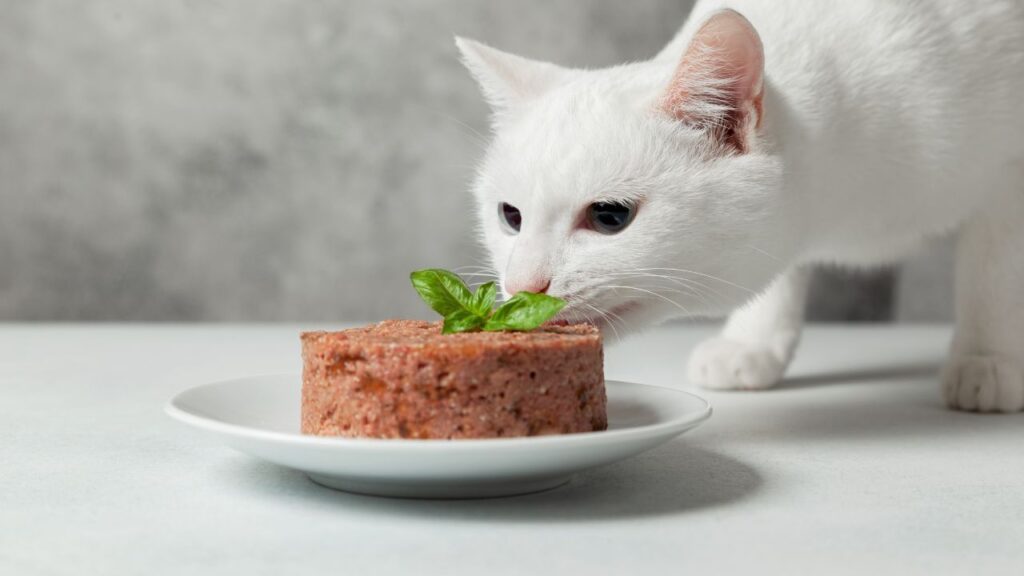
Protein is essential for cats as it provides them with the necessary amino acids that their bodies cannot produce on their own. When choosing cat food, it is important to look for high-quality animal-based proteins, such as chicken, turkey, or fish. These proteins should be listed as the first ingredient on the cat food label.
In addition to protein, cats also need certain vitamins, minerals, and fatty acids in their diet to maintain good health. These nutrients can be found in a balanced cat food diet that meets the standards set by the Association of American Feed Control Officials (AAFCO).
When reading a cat food label, it is important to look for the AAFCO statement, which indicates that the food meets the minimum nutritional requirements for cats. It is also important to look for specific nutrients, such as taurine, which is essential for a cat’s heart and eye health.
While carbohydrates are not essential for cats, they can be included in small amounts in their diet. However, it is important to avoid cat foods that are high in carbohydrates, as these can lead to obesity and other health problems.
In summary, a cat’s diet should be high in protein, contain essential vitamins and minerals, and be balanced according to AAFCO standards. By providing our cats with a balanced and nutritious diet, we can help ensure that they live happy and healthy lives.
Feeding Based on Age
When it comes to feeding cats, their nutritional needs change as they age. It’s important to adjust their diet accordingly to ensure they receive the right amount of nutrients for their stage of life.
Feeding Kittens
Kittens have different dietary requirements than adult cats. Kittens are typically classed as being between 2 and 12 months of age (but check your particular food brand for their guidelines).
Kittens need more protein and fat to support their growth and development, and they should be fed a diet specifically formulated for kittens until they reach one year old. During the weaning process, kittens should be fed small, frequent meals of kitten food throughout the day.

Feeding Adult Cats
Once cats reach adulthood, they require a balanced diet to maintain a healthy body weight and activity level. The amount of food they need depends on their metabolic rate and activity level. It’s important to monitor their weight and adjust their food intake accordingly. Adult cats should be fed a diet that is specifically formulated for their age and lifestyle.
It’s also worth noting that a cat’s natural metabolic rate will slow down, typically sometime between the ages of 4 and 9. So, just like us humans, that’s the time that it’ll be harder for them to shift those excess calories and saddle bag areas!
Feeding Senior Cats
Senior cats have different nutritional needs than younger cats. They may be less active and have a slower metabolic rate, which means they require fewer calories. Senior cats may also develop health conditions such as arthritis, hyperthyroidism, or kidney disease. It’s important to feed them a diet that is appropriate for their age and any health conditions they may have.
In general, most cats will do well when fed two times a day. Senior cats, age seven and above, should maintain the same feeding regimen.
Times per day
According to the American Animal Hospital Association:
- Kittens should be fed three times a day until they are six months old, and then twice a day thereafter.
- Adult cats should be fed twice a day
- Senior cats possibly needing smaller, more frequent meals.
By feeding your cat a diet that is appropriate for their age and lifestyle, you can help ensure they stay healthy and happy throughout their life. It’s important to provide clean, fresh water at all times, no matter their age (read all about how much water a cat should drink each day)
Choosing the Right Cat Food
When it comes to choosing the right food for your cat, there are a few things to consider. First and foremost, it’s important to choose a food that is complete and balanced. This means that the food contains all of the nutrients that your cat needs to stay healthy and happy.
There are several different types of cat food available, including dry food, wet food, and semi-moist food. Dry food is convenient and easy to store, but it may not be as palatable as wet food. Wet food, on the other hand, is more appealing to many cats and can help keep them hydrated, but it can be more expensive and spoil more quickly. Semi-moist food is a middle ground between dry and wet food, but it may contain more preservatives and artificial flavors.
When choosing a cat food, it’s important to read the label and understand what you’re feeding your cat. Look for foods that are labeled as “complete and balanced” and that contain high-quality sources of protein, such as chicken or fish. Avoid foods that contain fillers and by-products, as these may not provide the nutrients that your cat needs.
It’s also important to consider your cat’s age, activity level, and any health issues that they may have. For example, kittens and senior cats may have different nutritional needs than adult cats. Cats with health issues, such as diabetes or kidney disease, may require a special diet.
In summary, choosing the right cat food is an important decision that can impact your cat’s health and well-being. Look for foods that are complete and balanced, high in protein, and free from fillers and by-products. Consider your cat’s age, activity level, and health issues when making your selection.
Determining the Right Amount of Food
Determining the right amount of food to feed your cat is crucial for their overall health and well-being, as well as helping them maintain an ideal body weight. Feeding your cat too much can lead to obesity and other health problems, while not feeding them enough can cause malnutrition and other health issues.
To determine the right amount of food to feed your cat, you should consider their caloric intake. The number of calories your cat needs per day will depend on their age, weight, activity level, and overall health. You can use a feeding chart or consult with your veterinarian to determine the appropriate caloric intake for your cat.
Once you know your cat’s caloric needs, you can determine the appropriate portion sizes and calorie content for each meal. Most cat food packaging will provide feeding instructions and serving sizes based on your cat’s weight. However, it’s important to note that these serving sizes are often based on the average cat and may not be appropriate for your specific cat’s needs.

It’s also important to consider the type of food you’re feeding your cat. Wet food typically contains more water and fewer calories per serving than dry food. As a result, you may need to feed your cat more wet food to meet their caloric needs.
In addition to considering your cat’s caloric needs and the type of food you’re feeding them, you should also pay attention to your cat’s behavior and body condition. If your cat is constantly begging for food or is gaining weight, you may need to adjust their portion sizes. On the other hand, if your cat is losing weight or seems lethargic, they may need more food.
Overall, determining the right amount of food to feed your cat requires careful consideration of their caloric needs, portion sizes, and feeding instructions. By monitoring your cat’s behavior and body condition, you can ensure that they are getting the appropriate amount of food to maintain their health and happiness.
Feeding Based on Size and Weight
When it comes to feeding cats, it’s important to consider their size and weight. Different cats have different nutritional needs, and feeding them the right amount of food can help keep them at a healthy weight and prevent obesity.
For smaller cats, feeding them less food is usually the way to go. They need fewer calories than larger cats, and overfeeding them can lead to weight gain. On the other hand, larger cats need more food to meet their nutritional needs. It’s important to keep in mind that larger breeds may require more food than smaller breeds.
To determine how much to feed your cat based on their weight, you can use a feeding chart provided by your cat food manufacturer. These charts usually list the recommended amount of food based on your cat’s weight and the type of food you’re feeding them.
If you’re feeding your cat a combination of wet and dry food, it’s important to measure out the amounts so that your cat is getting the correct number of calories. A 3-oz can of wet food averages about 70-78 calories, depending on the brand. So, a ten-pound adult intact male will need about 3 ½ cans of wet food per day.
It’s also important to monitor your cat’s weight and adjust their food intake accordingly. If your cat is overweight or obese, you may need to reduce their food intake and increase their exercise to help them lose weight. Conversely, if your cat is underweight, you may need to increase their food intake to help them gain weight.
Overall, feeding your cat based on their size and weight is an important part of keeping them healthy and happy. By providing them with the right amount of food, you can help ensure that they maintain a healthy weight and avoid health problems associated with obesity and malnutrition.
Feeding Based on Health Conditions
When it comes to feeding our feline friends, it’s important to consider their health conditions. Certain medical issues, such as diabetes or obesity, may require adjustments to their diet in order to maintain their health.
For cats with diabetes, it’s important to monitor their carbohydrate intake. A diet high in carbohydrates can cause spikes in blood sugar levels, which can be dangerous for diabetic cats. Instead, opt for a high-protein, low-carbohydrate diet. Speak with your veterinarian for recommendations on specific brands and types of food that are suitable for diabetic cats.
Obese cats may require a calorie-restricted diet in order to lose weight. It’s important to avoid crash diets or extreme calorie restriction, as this can be harmful to your cat’s health. Instead, gradually reduce their calorie intake over time and encourage exercise and play to help them burn off excess weight.
If your cat has any other medical issues, such as kidney disease or allergies, it’s important to consult with your veterinarian to determine the best diet for their specific needs. They may recommend a special prescription diet or certain supplements to help manage their condition.
Overall, it’s important to remember that every cat is unique and may have different dietary needs based on their health conditions. By working with your veterinarian and monitoring your cat’s health, you can ensure that they are receiving the proper nutrition to thrive.
Daily Feeding Routine and Habits
When it comes to feeding your cat, establishing a routine and healthy eating habits is essential. We recommend feeding your cat two meals per day, ideally at the same time each day. This helps regulate their appetite and prevent overeating.
Free-feeding, or leaving food out for your cat to graze on throughout the day, can lead to overeating and weight gain. It’s important to monitor your cat’s daily amount of food to ensure they are not being overfed.
In terms of how much to feed your cat, it depends on their age, weight, and activity level. As a general guideline, a healthy adult cat should consume about 20-30 calories per pound of body weight per day. However, it’s always best to consult with your veterinarian to determine the appropriate amount for your specific cat.
It’s also important to pay attention to your cat’s eating habits. If they suddenly start overeating or not eating at all, it could be a sign of a health issue and you should consult with your veterinarian.
Overall, establishing a consistent feeding routine and healthy eating habits can help promote your cat’s overall health and well-being.

Special Considerations in Cat Feeding
When it comes to feeding our feline friends, there are a few special considerations we need to keep in mind. Here are some factors to consider when planning your cat’s diet:
Life Stages
As cats age, their nutritional needs change. Kittens require a higher calorie intake than adult cats, and senior cats may have decreased appetite or difficulty digesting certain foods. Consult with your veterinarian to determine the best diet for your cat’s life stage.
Body Condition
Maintaining a healthy weight is crucial for a cat’s overall health. Overweight cats are at a higher risk for health problems such as diabetes, arthritis, and heart disease. If your cat is overweight, consult with your veterinarian to determine the best weight loss plan.
Feeding Routines
Establishing a consistent feeding routine can help maintain good health and prevent obesity. Consider feeding your cat at the same time each day and measuring out their food to ensure they are not overeating.
Fresh Water
Fresh water should always be available to your cat. Check out our post all about how much water your cat needs. Change their water daily and consider investing in a water fountain to encourage hydration.
Treats
Treats should be given in moderation and should not make up a significant portion of your cat’s diet. Look for treats that are low in calories and made with high-quality ingredients.
Combination of Dry and Wet Food
A combination of dry and wet food can provide a balanced diet for your cat. Wet food can help increase hydration and provide variety in their diet, while dry food can help maintain dental health.
Cat’s Food Preference
Cats can be finicky eaters, and their food preferences may change over time. If your cat is not eating their food, consider trying a different brand or flavor. However, it’s important to introduce new foods gradually to prevent digestive upset.
Special Dietary Needs
Some cats may have special dietary needs due to medical conditions or food allergies. Consult with your veterinarian to determine the best diet for your cat’s specific needs.
Raw Meat
Raw meat can pose a risk of bacterial contamination and should be avoided. Cooked meat is a safer option for your cat.
Lactose-Intolerant
Many cats are lactose-intolerant and should not be given milk or dairy products. Consider lactose-free options if you want to give your cat a treat.
Canned Fish
Canned fish should be given in moderation, as it can be high in sodium and mercury. Look for low-sodium options and avoid giving your cat fish more than once a week.
By considering these factors and working with your veterinarian, you can ensure that your cat is receiving a balanced and healthy diet.
Common Feeding Mistakes to Avoid
When it comes to feeding cats, there are some common mistakes that many cat owners make. Here are a few to avoid:
Overfeeding
One of the most common mistakes that cat owners make is overfeeding their cats. While it may be tempting to give your cat extra treats or a larger portion of food, overfeeding can lead to obesity and other health problems. It’s important to follow the recommended feeding guidelines on the cat food packaging and to monitor your cat’s weight to ensure they stay at a healthy level.
Free-Feeding
Leaving food out all day for your cat to graze on, also known as free-feeding, is another common mistake. This can lead to overeating and weight gain. Instead, it’s recommended to feed your cat smaller portions throughout the day or to feed them at specific times.
Inadequate Water Intake
Many cat owners forget to provide their cats with enough water. It’s important to ensure that your cat has access to fresh water at all times. A lack of water can lead to dehydration and other health problems.
Feeding Table Scraps
Feeding your cat table scraps may seem like a good idea, but it can actually be harmful to their health. Table scraps can upset your cat’s stomach and lead to vomiting and diarrhea. Additionally, some human foods can be toxic to cats, such as chocolate and onions.
Inconsistent Diet
Switching your cat’s diet too frequently or without proper transition can lead to digestive issues. It’s important to introduce new foods slowly and to stick to a consistent diet to avoid upsetting your cat’s stomach.
By avoiding these common feeding mistakes, you can help ensure that your cat stays healthy and happy.
Your Cat May Have Trained You to Feed it!
As cat owners, we often find ourselves catering to our feline friends’ every whim, especially when it comes to mealtime. It’s not uncommon for cats to train their humans to feed them on demand, regardless of whether or not they’re actually hungry.
If you find yourself constantly refilling your cat’s food bowl, it’s important to take a step back and evaluate their feeding habits. Overfeeding can lead to obesity, which can cause a host of health problems for your cat, including diabetes, joint pain, and heart disease.
The first step in breaking the cycle of overfeeding is to establish a feeding schedule. Cats thrive on routine, so try to feed your cat at the same time every day. This will help them develop a sense of when it’s time to eat and when it’s not.
It’s important to consider their age, weight, and activity level. Kittens and young cats require more calories than adult cats, while indoor cats may not need as many calories as outdoor cats who are more active.
To determine how much to feed your cat, consult with your veterinarian or use a feeding chart based on your cat’s weight. It’s also important to measure out your cat’s food to ensure they’re not overeating.
In addition to establishing a feeding schedule and measuring out your cat’s food, it’s important to provide them with a balanced diet. This means offering a mix of wet and dry food, as well as incorporating a variety of proteins and nutrients.
By taking a proactive approach to your cat’s feeding habits, you can ensure they’re getting the nutrition they need without overfeeding them. Remember, a healthy cat is a happy cat! And a healthy and happy cat will likely have a longer, better quality of life with you, too.
A Hungry Cat Often Looks for Mischief
As cat owners, we all know that a hungry cat can be a mischievous cat! When a cat is hungry, they may resort to destructive behavior, such as scratching furniture or knocking things over. This is why it’s important to ensure that our cats are properly fed, to prevent destructive behavior. By understanding how much and how often to feed your cat, as well as considering the type of food you are feeding them, you can ensure that your cat stays healthy and happy.

FAQs – How Much to Feed A Cat
What is the recommended daily amount of food for a cat?
However, this can vary based on factors such as age, weight, and activity level.
Some examples:
A 7lb (3.2kg) cat should eat between 168-245 calories per day
A 10 lb (4.5kg) cat should eat between 240-350 calories per day
A 15lb (6.8kg) cat should eat between 360-525 calories per day
How often should I feed my cat?
What is the difference between wet and dry cat food?
Is it okay to free-feed my cat?
What are some signs that my cat is being overfed?